
EMDR
What is EMDR therapy?
EMDR stands for Eye Movement Desensitization and Reprocessing. It's an evidence-based therapy that helps people process distressing experiences and the ways those experiences continue to affect them.
Rather than focusing only on talking through what happened, EMDR works with the memories, beliefs, emotions, and physical responses connected to those experiences.
The goal isn't to erase the past. It's to help you relate to those experiences differently, so they don't continue to carry the same emotional weight.
What Does EMDR Actually Look Like?
We start by getting to know your experiences, understanding what brings you to therapy, and making sure you have the preparation and support you need.
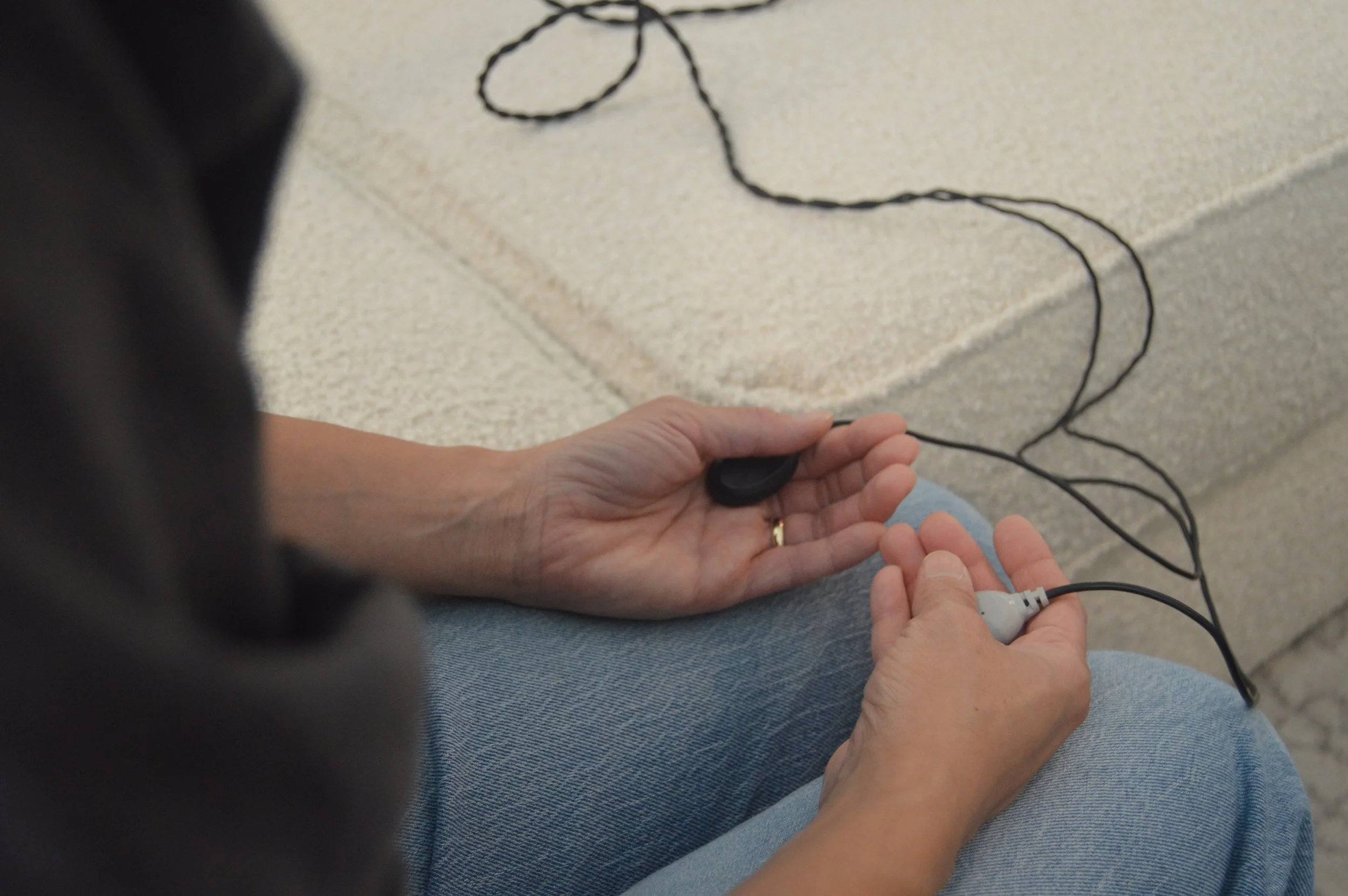
When we're ready for memory processing, we use bilateral stimulation, such as eye movements or alternating taps, while briefly noticing aspects of an experience.
You don't have to tell every detail of your story, and there's no expectation that you process everything at once.
It's a collaborative process, and we move at a pace that makes sense for you.
What Can EMDR Help With?
EMDR is widely recognized for its effectiveness in treating PTSD and trauma-related distress. It may also be incorporated into treatment for other concerns, depending on your needs.
Areas we might explore include:
Trauma and PTSD
Childhood experiences and attachment wounds
Anxiety and distressing memories
Negative beliefs about yourself
Grief and loss
Relationship experiences and recurring emotional reactions
EMDR may also be considered as part of treatment for certain concerns involving chronic pain, tinnitus, or sound-related distress, depending on your circumstances and treatment goals.